
Home loan eligibility & process for pre-launch apartments
Home loan eligibility & process for pre-launch apartments requires a verified CIBIL score of 720 or higher and an approved state RERA registration number before banks pay the builder. A pre-launch home loan is a standard retail bank loan taken for a residential flat before the physical building work starts on the ground. Banks send this loan money straight to the builder's escrow account in 5 to 10 parts as the daily work grows. Buyers use this early loan to lock in entry flat prices that sit 10% to 25% lower than ready homes in the same exact area.
Because the building is not yet ready, the bank checks your monthly take-home pay and the builder's 30-year land papers at the exact same time. This double check keeps your money completely safe from stalled projects and fake land titles. Getting this loan early locks down the low flat price while keeping 80% of your cash safe in your own hands. The whole bank check process takes exactly 3 to 14 working days, depending on the builder's bank code.
1. Core Home Loan Eligibility Criteria for Pre-Launch Housing
Home loan eligibility for pre-launch projects demands a minimum 720 CIBIL score and caps your total monthly loan payments at exactly 50% of your take-home pay. Banks check these exact numbers to make sure you can pay your normal home rent and the new loan at the same time.
- Credit Score Limit: You must have a CIBIL score of 720, and a score crossing 750 cuts your loan interest rate by 0.5%.
- Age Rules: Salaried buyers must be between 21 and 60 years old, while business owners can borrow up to 65 years of age.
- Job Record: Job holders need a 24-month work history with at least 6 months spent in their current office.
- Loan Share: Buyers must pay the first 10% to 20% down payment from their own savings account before the bank pays anything.
2. Documentation Standards for Pre-Launch Property Financing
Pre-launch home loan approvals require 6 months of clear bank statements and a valid state RERA certificate to pass the bank's risk checks. Giving all the right papers at once stops bank delays and clears your loan file in just 3 working days.
- ID Proof: All flat buyers must give a valid PAN card, an Aadhaar card, and a current address proof document.
- Pay Papers (Job): Salaried staff must show exactly 3 months of pay slips and 2 full years of Form 16 tax papers.
- Pay Papers (Business): Business owners must give 3 years of income tax returns and 12 months of daily business bank records.
- Builder Papers: The bank demands the approved municipal floor map, clear 30-year land deeds, and the active state RERA copy.
- Booking Proof: You must give the signed builder allotment letter and your initial 10% down payment bank receipts.
3. Step-by-Step Approval and Verification Sequence
The home loan process for pre-launch flats takes 3 to 14 days and requires a 10% to 20% down payment cleared from your personal bank account. This step-by-step path makes sure the bank checks the builder's land titles before any loan money goes to the actual site. Following these steps in strict order keeps your hard-earned money safe from bad land deals.
- Check Bank Code: Pick a flat with a verified bank APF code to cut the loan title check time down to just 3 days.
- Get Approval Letter: Submit your pay slips first to get a bank sanction letter showing your top borrowing limit for the next 6 months.
- Pay Down Payment: Pay 10% to 20% of the flat cost from your own pocket and collect the official builder booking letter.
- Sign Bank Agreement: Sign the 3-party legal contract known as the tripartite agreement between you, the builder, and the lending bank.
- Register Flat Contract: Register your flat sale agreement at the local sub-registrar office, paying the 5.1% stamp duty to lock the bank loan.
- Release Site Payouts: The bank sends its civil engineer staff to check the flat site before paying the builder for each new completed roof.
4. Construction-Linked Plan (CLP) and Milestone Release Schedules
A Construction-Linked Plan releases your loan in 5 to 10 distinct stages based directly on the actual physical floors built on the site. This payment plan keeps buyers safe from paying for brick and cement work that is not yet ready on the ground. The bank sends money only when their own engineer takes a photo of the completed site work. This stops the builder from taking all the money early and running away.
- Booking Stage: You pay the first 10% to 20% from your own bank account when you book the flat.
- Ground Work: The bank pays the next 10% to 15% after the builder finishes the deep ground digging.
- Roof Slabs: The bank pays 35% to 40% in small parts each time a new floor roof is cast.
- Wall Work: The bank pays 15% to 20% when the builder finishes the inner brick walls and water pipes.
- Final Keys: The bank pays the last 5% to 10% when the builder hands over the final flat keys.
5. Pre-EMI vs Full EMI Repayment Options
Pre-EMI plans charge 8.5% to 9.25% interest only on the paid loan, while Full EMI plans start cutting the main loan balance from month one. Choosing the right plan helps you manage your monthly cash while you still pay rent for your current house.
- Pre-EMI Rule: You pay simple interest only on the money the bank has sent to the builder so far.
- Full EMI Rule: You pay the principal and interest together to finish the loan faster and save total interest.
- Interest Rates: Floating loan rates in 2026 sit around 8.50% to 9.25% per year based on your credit score.
- Loan Time: Banks allow up to 30 years to repay the loan for salaried buyers to keep monthly payments small.
6. How Pre-Launch Home Loans Work in Real Life: Prestige Battersea Example
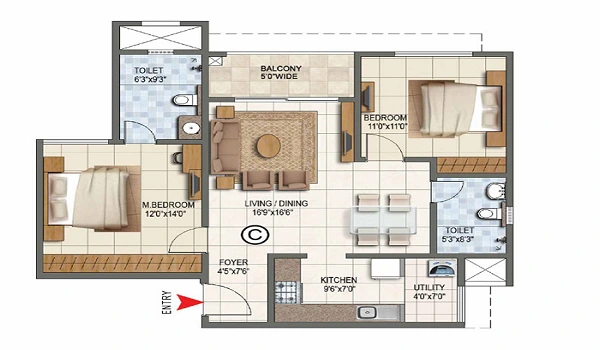
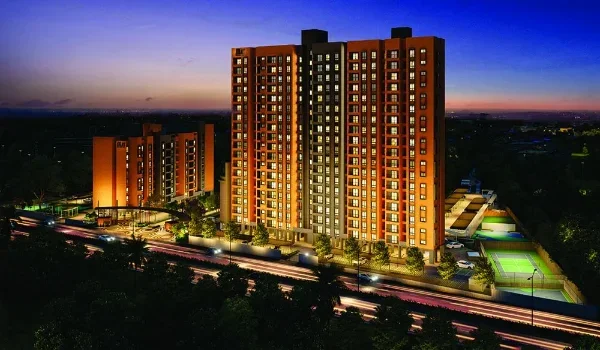
Getting a loan for Prestige Battersea requires a ₹24.2 Lakh down payment for a 2 BHK and a verified family income of ₹1.85 Lakhs. Prestige Battersea is a new 12-acre housing project by Prestige Group on Hennur Road in North Bangalore. The project holds exactly 1,788 flats across 7 tall towers, sitting just 17 km from Manyata Tech Park. The project uses a strict 10-stage payment plan tied to building progress.
- Pre-Launch Prices: The 2 BHK flats start at ₹1.21 Cr for 1,100 sq ft, 3 BHKs start at ₹1.76 Cr, and 4 BHKs start at ₹2.42 Cr. The early base rate in late 2026 sits at ₹11,000 per sq ft.
- Loan Split Rule: For a ₹1.21 Cr 2 BHK home, you pay 20% (₹24.2 Lakhs) from your own bank account. The bank pays the other 80% (₹96.8 Lakhs) over the next 4 years.
- Stage Payouts: The builder asks for 10% at booking, 10% at agreement signing, and eight 10% bank payouts as the building floors grow higher.
- Income Check: To get the ₹96.8 Lakh bank loan at an 8.5% interest rate, your family must earn at least ₹1.85 Lakhs to ₹2 Lakhs per month safely.
RERA Hold: Buyers can book a flat now, but banks will only clear the full home loan after the official Karnataka RERA number arrives by February 2027.
7. Legal Checks and RERA Verification for Early-Stage Loans
Legal checks for pre-launch loans demand a 30-year land record check and a valid state RERA number before you sign the booking form. Checking these simple legal facts keeps your hard-earned money completely safe from bad land titles and delayed projects. Banks will never give a loan if the builder hides any old land debt. You can check all these papers yourself before visiting the bank branch.
- RERA Check: Look up the exact 6-digit project number on the state RERA website before you pay any initial token money.
- Title Check: Ask the builder for a full 30-year Encumbrance Certificate to make sure the land has no old bank debts.
- Bank Letter: If the builder took a land loan, ask for a bank NOC letter that frees your specific flat unit from their debt.
- Safe Account: Make sure the bank sends your loan money only to the builder's state-approved 70% RERA escrow bank account.
Frequently Asked Questions
No, banks cannot approve or pay out loans for new flats without a valid state RERA number. The law stops builders from selling flats before they get this official paper. Banks need this paper to open your loan account safely.
An APF code is a special bank number that shows the bank has already checked the builder's land papers. Buying a flat with this code cuts your loan approval time from 14 days to just 3 days.
The buyer must pay the 10% to 20% down payment from their own bank account to the builder. The bank will check your payment receipts before it sends any loan money to the site.
You must still pay monthly interest on the loan money the bank has already sent to the builder. However, the bank will stop all future payouts to keep you safe from paying more.
You cannot claim the Section 80C tax benefit for the main loan while the flat is still being built. But you can add up all the interest you pay now and claim it later when you get the house keys.